Every day, researchers across Colorado State University are working to advance science, strengthen communities, and build a more sustainable and climate-resilient future. The CSU Climate Hub at Spur exists to amplify that impact, connecting CSU’s world-class researchers with partners that can put their work to use. But an equally important task for the Hub is to help communicate the university’s new climate-related knowledge and innovation that can inform decision-making across sectors.
CSU Climate Research Impact Highlights showcases some of the ways that CSU faculty members are driving change through research. The stories featured here are intended to inspire, spark new conversations, and perhaps even open doors for new collaborations (you can request the Hub’s climate services here). While they are just a fraction of the climate work underway at CSU, they will give you a sense of the breadth and depth of climate research and innovation happening across the university.
Contributed by: Dr. Jennifer Bousselot, Associate Professor; Program Lead, Green Roof Research
Green Roof and Urban Agriculture
Rooftops can do more work than anyone might expect. The Green Roof and Urban Agriculture Program team studies how urban buildings can become active contributors to a climate-resilient future.
The program team’s research spans rooftop agrivoltaics (the integration of solar panels with rooftop crops), native plant cultivation, green roof ecology, and pollinator provisioning. By evaluating how vegetation in the built environment manages stormwater, supports pollinators, grows local food, and generates clean energy, their work is turning an overlooked urban asset into a powerful tool for climate resilience.

Contributed by: Dr. Michaela Howells, Associate Professor of Biological Anthropology
climate disasters are hitting pregnant people hardest
New research by Dr. Michaela Howells shows that people in early pregnancy when a climate disaster strikes face significantly higher risks of low birth weight, premature birth, and other complications.
Most emergency planning focuses on those late in pregnancy which leaves the most vulnerable group underprotected.
Contributed by: Dr. Camille Stevens-Rumann, Associate Professor of Forest and Rangeland Stewardship
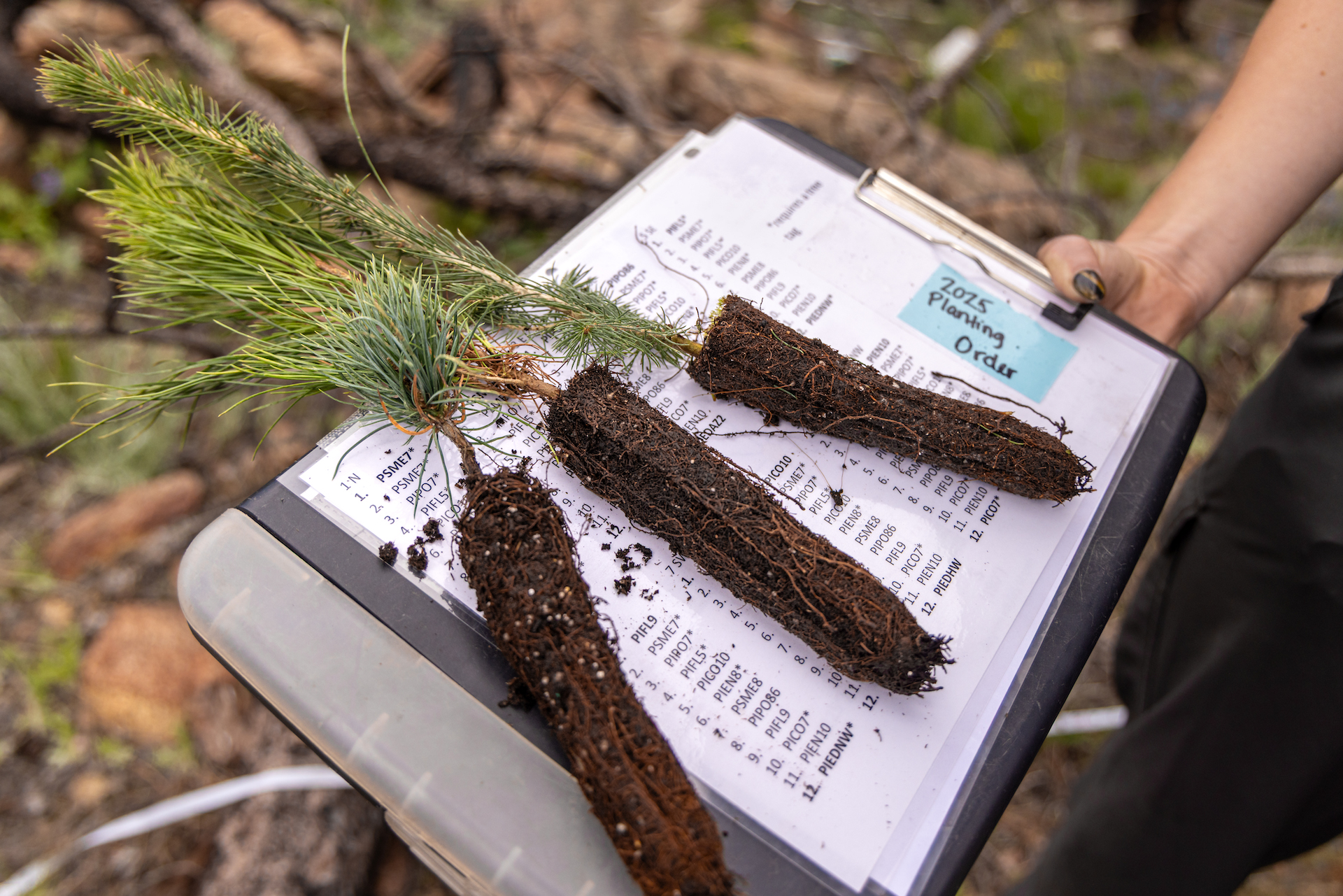
Climate-informed reforestation
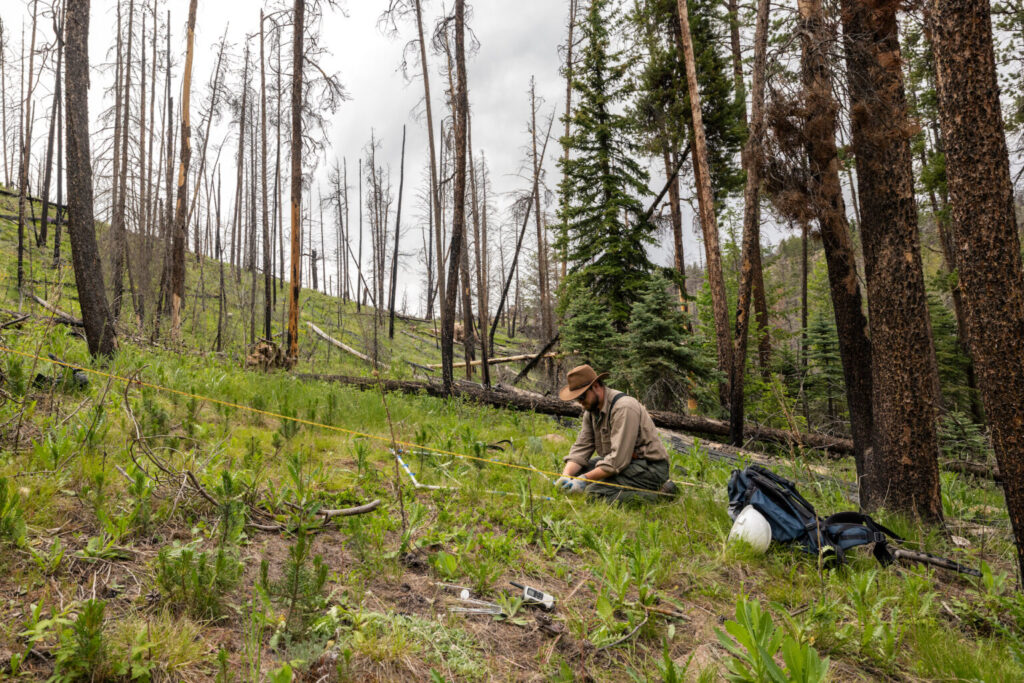
As wildfires grow more frequent and severe across the West, 30%-50% of burned landscapes are not becoming forest again.
Researchers at CSU’s Colorado Forest Restoration Institute are working to change that, testing whether planting tree species outside their traditional ranges gives future forests a better chance of surviving hotter, drier conditions. Their findings will help land managers make smarter, climate-informed decisions about reforestation, with implications for watersheds, wildlife habitat, and the water supplies that millions of people depend on.

Contributed by: Dr. Wenrui Zhang, Associate Professor Department of Finance and Real Estate
political ideology and green innovatoin
New research by Dr. Wenrui Zhang that spans over two decades of U.S. patent data reveals that the political ideology of patent examiners significantly shapes the fate of green technology applications.
Climate-relevant innovations face systematically higher rejection rates when reviewed by examiners whose political ideology is more skeptical of climate science, often on subjective legal grounds that are difficult for inventors to challenge. Researchers Tao Shu, Fei Xie, Song Zhang and Wenrui Zhang estimate this bias has resulted in more than 10,000 additional rejected green patent applications and at least $20 billion in lost economic value.
Contributed by: Dr. Reza Nazemi, Assistant Professor, Mechanical Engineering and Materials Science and Engineering
Renewable Energy Conversion and Storage Laboratory
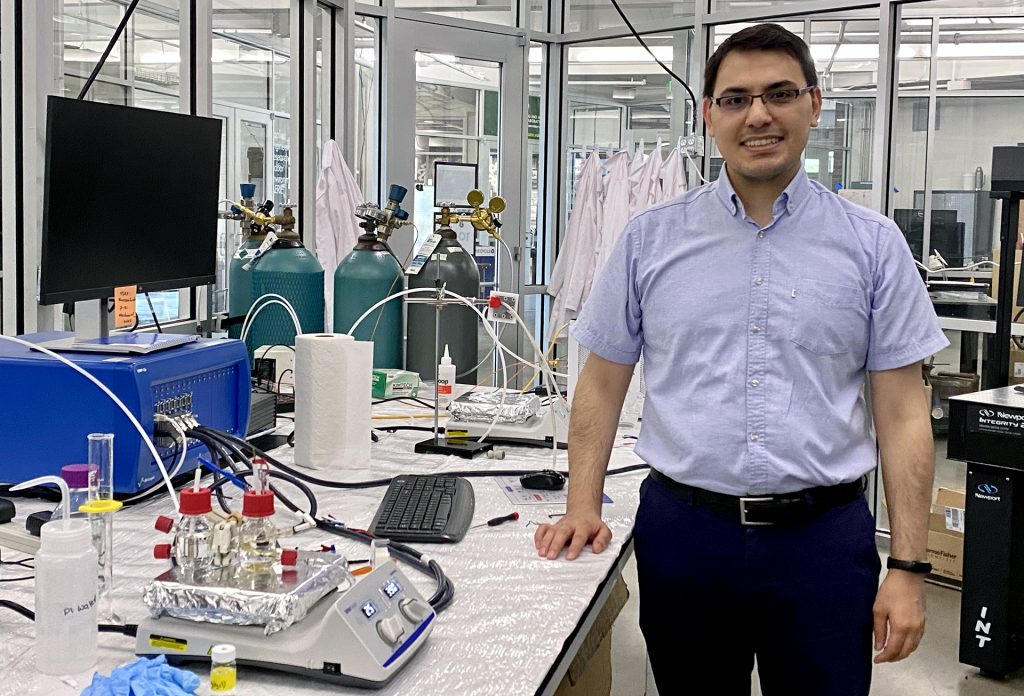
Researchers at CSU’s Renewable Energy Conversion and Storage (RECS) Laboratory are designing next-generation materials and systems to decarbonize some of the world’s most energy-intensive industries.
Their work spans renewable fuel production, the breakdown of harmful “forever chemicals” like PFAS, and recovery of valuable resources from waste streams — shifting industries toward a circular economy that transforms waste into wealth.

Contributed by: Andrea Duffy, Associate Professor of History
the nature of empire
A newly published book by a CSU world environmental historian Andrea Duffy, “The Nature of Empire: Modern Imperialism and the Roots of the Anthropocene”, traces how modern imperialism shaped the scientific frameworks and conservation ideals that still define how we approach climate science today.
By uncovering the colonial roots of our current environmental challenges, the book offers essential historical context for anyone seeking to understand how we got here and what it will take to move forward.
Contributed by: Adriana Jacobi, Ph.D. student at Colorado State University
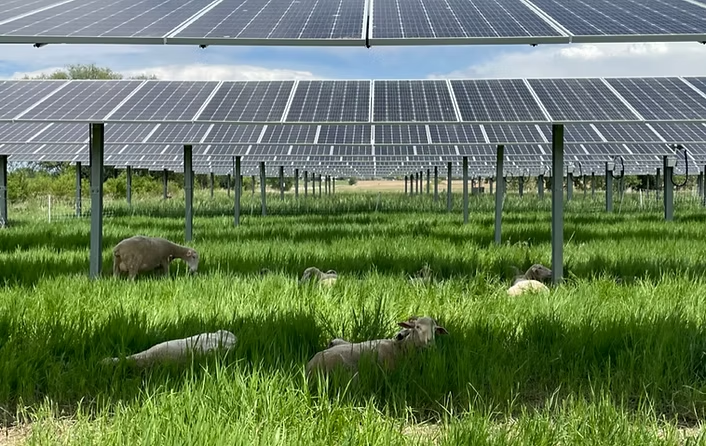
Ecovoltaics Colorado
Research at Jack’s Solar Garden in Longmont, Colorado is challenging the idea that solar energy and healthy ecosystems can’t coexist.
The CSU Ecovoltaics Lab studies how native plant communities, soil microbiomes, insects, and wildlife fare beneath utility-scale solar arrays in semi-arid landscapes, building the case for ecovoltaics: the co-prioritization of clean energy and ecosystem services on the same land.