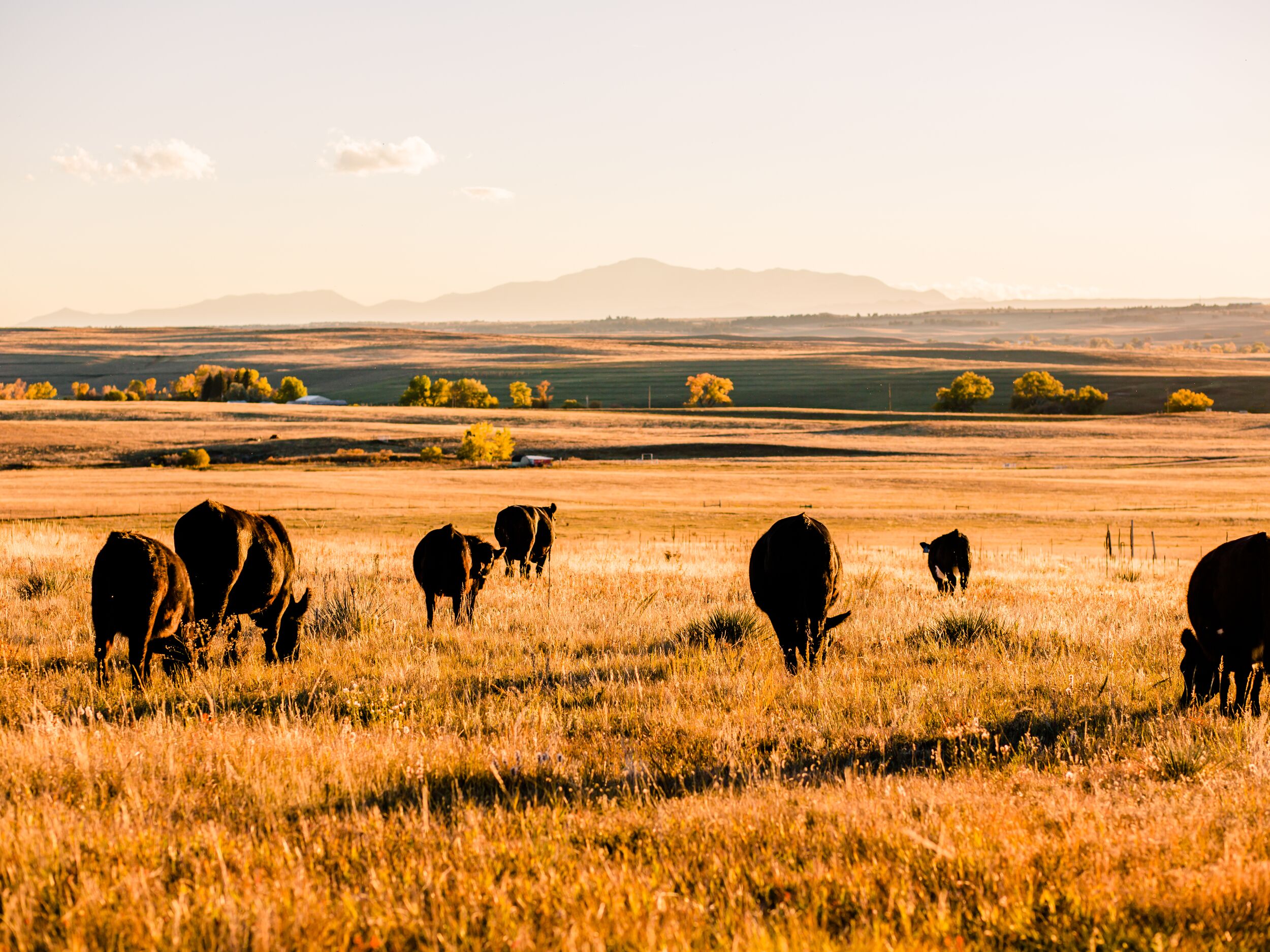
Staff supporting Colorado policymakers and researchers explored how science can strengthen resilience across the state’s agricultural landscapes and highly variable climate.
From the snow-fed headwaters of the Rockies to the windblown plains of the southeast, Colorado’s climate is as varied as its landscapes. That diversity has long shaped the state’s agricultural range and practices, and now it defines some of its greatest challenges.
At Colorado Crossroads: Resilient Agriculture in a Changing Climate, held October 15, 2025, at Colorado State University’s new Spur Campus in Denver, researchers, agricultural producers, and state legislative and agency staff came together to explore how science can help the state’s agricultural industry adapt to rapid environmental change.
The event was organized by the National Academies’ Climate Crossroads initiative, in partnership with Colorado State University’s Climate Hub at Spur and the Institute for Science & Policy at the Denver Museum of Nature & Science. Together, they hosted a day-long training program for connecting science and decision-making, part of a growing series of regional engagement activities from the National Academies.
Through expert presentations, small-group discussions, and producer perspectives, participants learned about the best available climate resources within and across the state and examined how science can serve as a bridge between agricultural resilience and effective public policy.
“This event is a great representation of why the Climate Hub exists—to make our state’s science more accessible to those that need it through partnerships and dialogue,” said Veera Mitzner, Director of the CSU Spur Climate Hub. “We’re bridging research and real-world needs,” drawing on the resources and mission of CSU to serve Coloradans.
Read the full story on the National Academies website.